What is IVF?
In vitro fertilisation (IVF) involves fertilising eggs with sperm in a laboratory, then transferring a suitable embryo into the uterus.
Know MorePatient Resources · Treatment Guides
Every fertility journey is different. Explore clear, doctor-reviewed introductions to common treatments and preservation options, then follow the links for detailed guidance.

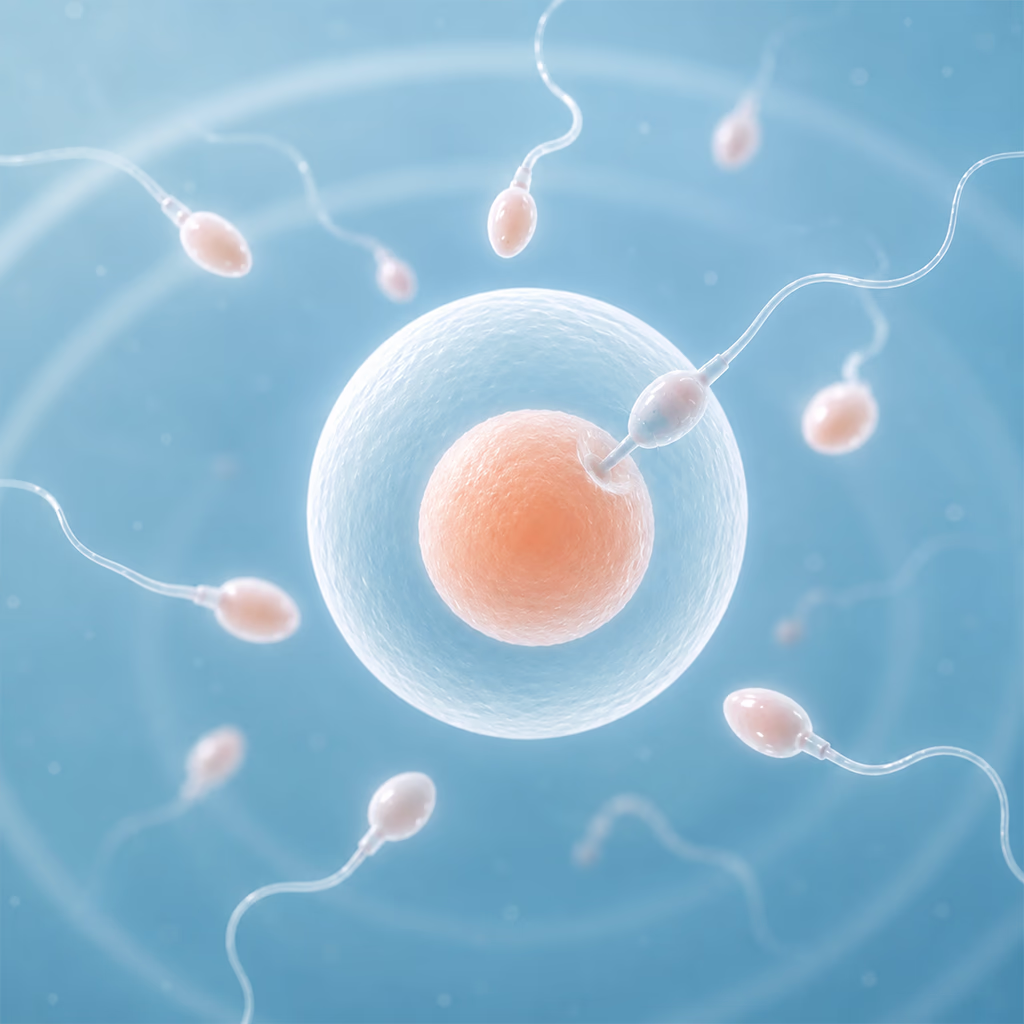
In vitro fertilisation (IVF) involves fertilising eggs with sperm in a laboratory, then transferring a suitable embryo into the uterus.
Know MoreIVF may help with blocked fallopian tubes, ovulation problems, male-factor infertility, endometriosis or unexplained infertility.
Know MoreA cycle usually includes ovarian stimulation, monitoring, egg retrieval, fertilisation, embryo culture and embryo transfer.
Know More Intracytoplasmic sperm injection (ICSI) is a laboratory technique in which one selected sperm is injected directly into an egg.
Know MoreICSI may be advised for low sperm count or motility, surgically retrieved sperm, or previous problems with fertilisation.
Know More Intrauterine insemination places prepared sperm directly inside the uterus around ovulation to shorten its journey to the egg.
Know MoreIUI may suit selected patients with open fallopian tubes, ovulation difficulties, mild male-factor infertility or unexplained infertility.
Know More A blastocyst is an embryo that has developed for about five to six days and contains specialised cells ready for implantation.
Know MoreExtended culture lets embryologists observe development for longer and identify embryos with strong potential for transfer.
Know More Embryo transfer is the final step of an IVF cycle, when a carefully selected embryo is gently placed inside the uterus under ultrasound guidance.
Know MoreFrozen Embryo Transfer (FET) uses a previously frozen embryo, which is thawed and transferred into the uterus during a later cycle once the uterine lining is prepared.
Know More Egg freezing collects and preserves unfertilised eggs for possible use later, helping keep future reproductive options open.
Know MoreIt may be considered before fertility-affecting treatment or when someone wishes to delay pregnancy for personal or medical reasons.
Know MoreEmbryo preservation freezes suitable embryos created through IVF or ICSI so they may be used in a future treatment cycle.
Know MoreIt may benefit patients with surplus suitable embryos, those planning treatment later, or people who need fertility preservation.
Know More Male-factor infertility may involve sperm count, movement, shape, ejaculation, hormones or blockages and often requires focused evaluation.
Know MoreDepending on the cause, care may include lifestyle support, medicines, surgery, IUI, IVF or ICSI after appropriate fertility testing.
Know More After repeated implantation failure, a systematic review of previous IVF cycles, embryo development, uterine health and other fertility factors can help guide an individualised treatment plan. Emotional support also matters.
Know MoreOur specialists can explain which treatment or preservation pathway may suit your history and goals.