Ovarian Hyperstimulation Syndrome (OHSS)
Fertility medications can cause the ovaries to over-respond, leading to abdominal bloating, nausea, or mild pain. Careful dose monitoring and regular ultrasound scans help prevent OHSS.
Safety Information
Understanding risks is not about fear — it's about empowerment. With knowledge and expert care, couples can walk the IVF journey with confidence and hope.

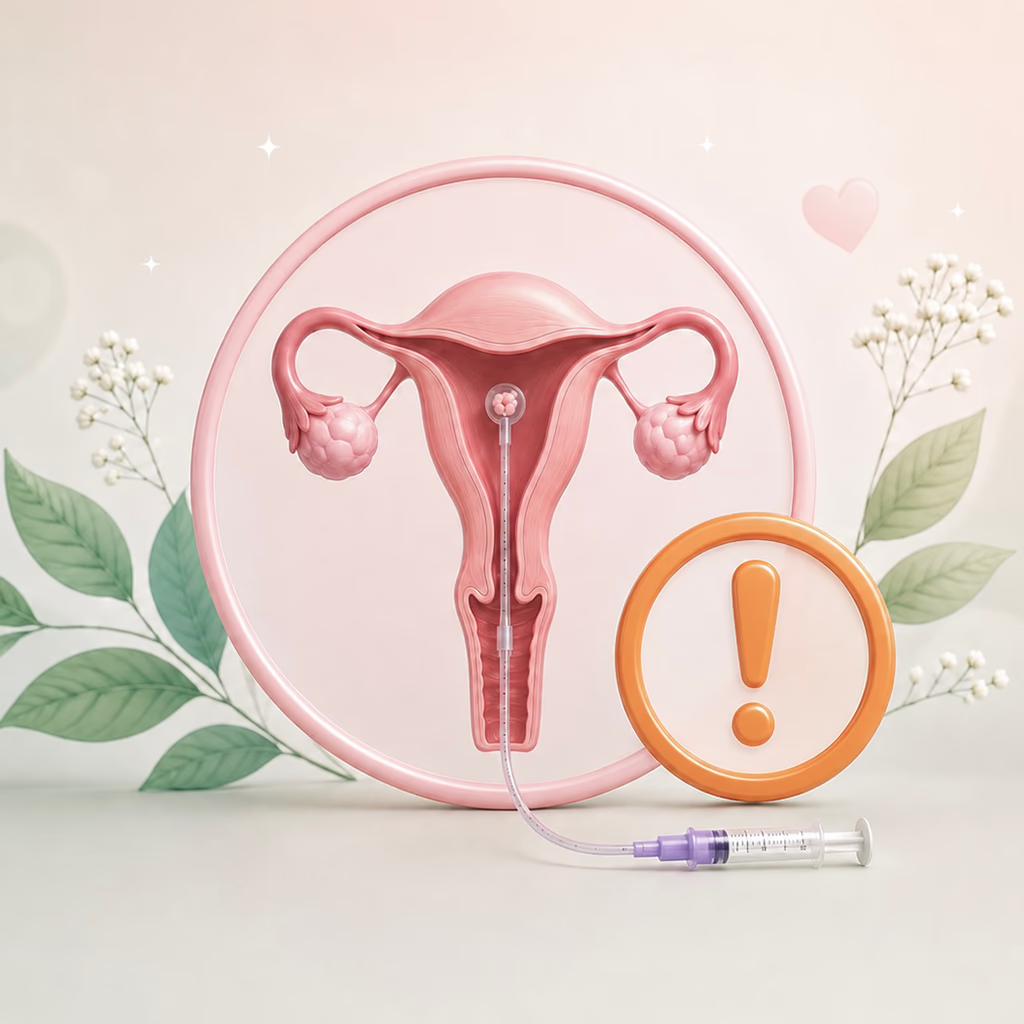
Fertility medications can cause the ovaries to over-respond, leading to abdominal bloating, nausea, or mild pain. Careful dose monitoring and regular ultrasound scans help prevent OHSS.
Transferring more than one embryo can increase the chance of twins or triplets, with higher risks of preterm birth and maternal complications. We recommend single or double embryo transfer based on age, history, and embryo quality.
In a small number of cases, an embryo may implant outside the uterus — usually in the fallopian tube. Early monitoring with ultrasound and blood tests ensures prompt detection and treatment.
Egg collection is done under sedation. Rarely, it can cause temporary cramping, mild bleeding, or pelvic discomfort. Serious complications are extremely uncommon in expert hands.
The IVF journey can be emotionally demanding, especially when facing delays or disappointments. We provide counselling and emotional support to help couples stay positive throughout treatment.
Fertility injections may cause headaches, hot flashes, abdominal discomfort, or mood swings. These are temporary and subside after medication completion.
Even after embryo transfer, implantation may not occur in some cycles due to chromosomal abnormalities, uterine lining issues, or immune factors. Advanced diagnostics and genetic testing can improve future success rates.
Though extremely rare, other complications may include infection after egg retrieval, reaction to anaesthesia, formation of ovarian cysts, or blood clotting abnormalities. Advanced lab standards and close monitoring minimise these risks.
At Dr. Rama Sofat Hospital, your safety is our first priority. Dr. Ruchika Sofat and Dr. Amit Sofat follow globally approved IVF protocols to ensure:
While risks exist, the overall safety and success of IVF has greatly improved over the years. When performed under experienced specialists at a well-equipped centre, IVF remains one of the safest and most rewarding treatments for couples struggling with infertility.
We'll explain risks clearly and plan your treatment with safety-first protocols. Dr. Rama Sofat Hospital, Ludhiana.