
Laparoscopic Ovarian Surgeries · Ludhiana, Punjab

PCOS Management

Comprehensive hormonal, metabolic, and fertility care for Polycystic Ovary Syndrome — from advanced diagnostics and lifestyle guidance to laparoscopic ovarian drilling (LOD) and IVF.

Polycystic Ovary Syndrome (PCOS) is one of the most common hormonal disorders affecting women of reproductive age and a major cause of anovulatory infertility. At Dr. Rama Sofat Hospital, we recognize that PCOS is not just about irregular periods — it is a complex hormonal and metabolic condition that impacts your overall health, appearance, and fertility. Our approach combines advanced diagnostics, lifestyle guidance, hormonal correction, and when required, laparoscopic ovarian drilling (LOD) or IVF to help you conceive safely and naturally.

Understanding PCOS

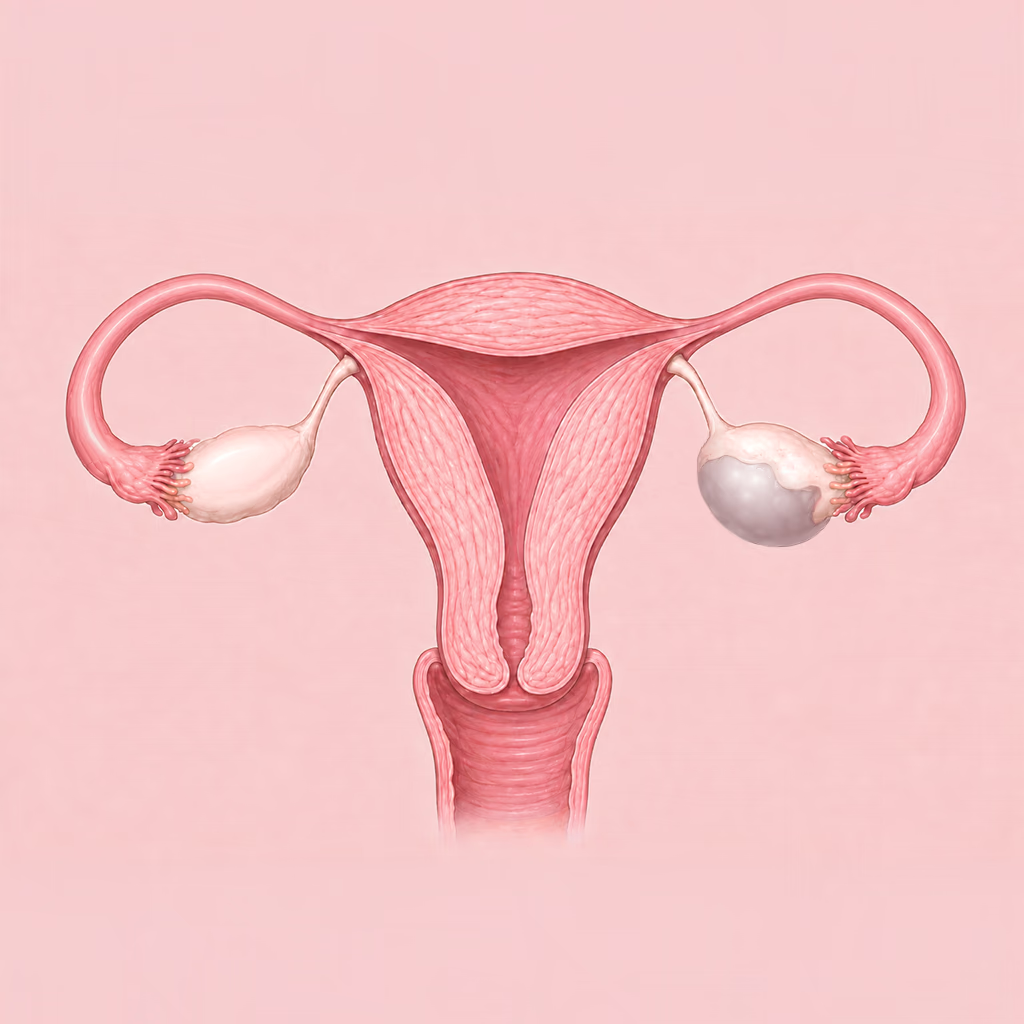
PCOS occurs when hormonal imbalance prevents regular ovulation. This leads to the formation of multiple small cysts on the ovaries and excess production of male hormones (androgens).

If left untreated, PCOS can increase the risk of type 2 diabetes, obesity, endometrial hyperplasia, and infertility.

Causes & risk factors

  • Genetic predisposition
  • Insulin resistance and high insulin levels
  • Obesity or sedentary lifestyle
  • Hormonal imbalance (high LH/low FSH ratio)
  • Stress and poor dietary habits

Symptoms

  • Irregular or absent menstrual cycles
  • Difficulty conceiving due to lack of ovulation
  • Acne, oily skin, and excessive facial hair (hirsutism)
  • Weight gain, especially around the waist
  • Hair thinning or scalp hair loss
  • Darkening of the skin on the neck or underarms (acanthosis nigricans)

If you notice these symptoms, early evaluation by a fertility specialist can make all the difference.

Diagnosis at Dr. Rama Sofat Hospital

  • Detailed menstrual and clinical history
  • Hormonal assessment: LH, FSH, AMH, insulin, and androgen levels
  • Transvaginal Ultrasound to visualize ovarian cysts and assess follicular pattern
  • Metabolic screening for insulin resistance or thyroid dysfunction

This allows us to personalize every treatment plan based on your hormonal profile, age, and fertility goals.

Impact on fertility

PCOS is one of the leading causes of female infertility because irregular ovulation makes it difficult for eggs to mature and release. Additionally, high insulin and androgen levels reduce egg quality and affect uterine receptivity, making conception harder even with timed cycles. However, with the right treatment — from ovulation induction to laparoscopic ovarian drilling or IVF — most women with PCOS successfully conceive.

Treatment options

01

Medical Management

The first step is to restore natural ovulation and regulate hormones.

Lifestyle Modifications

Weight loss through balanced diet and regular exercise.

Medications

  • Clomiphene citrate or Letrozole for ovulation induction
  • Metformin to improve insulin sensitivity
  • Oral contraceptives for cycle regulation and acne control
  • Hormonal therapy to balance estrogen and progesterone levels

This approach is often successful in mild to moderate PCOS cases.

02

Laparoscopic Ovarian Drilling (LOD)

A precision fertility-enhancing surgery. When medications fail to induce ovulation, LOD offers a highly effective and minimally invasive alternative.

What is LOD?

A laparoscopic procedure where small punctures are made in the thickened ovarian surface using a fine electrocautery needle or laser. This reduces androgen-producing tissue, helps in follicle maturation, and restores spontaneous ovulation.

How It's Done

  • Performed under general anesthesia through keyhole incisions
  • The surgeon visualizes both ovaries on a high-definition laparoscopic screen
  • 4–6 micro-punctures are made on each ovary to balance hormonal activity
  • The procedure takes around 30 minutes and is usually day-care
03

IVF (In Vitro Fertilization) for PCOS

If pregnancy does not occur after LOD or medical therapy, IVF becomes the next step. Women with PCOS often respond well to IVF when stimulation is done with customized low-dose protocols to prevent Ovarian Hyperstimulation Syndrome (OHSS). Our fertility experts monitor each cycle closely to achieve the best outcomes while ensuring safety.

Benefits of LOD

Restores natural ovulation within 4–6 weeks
Decreases androgen levels and improves hormonal balance
Enhances response to ovulation-inducing drugs if needed later
Reduces risk of multiple pregnancies compared to oral drugs
Short recovery time with minimal postoperative pain

At Dr. Rama Sofat Hospital, we use 4K HD high-definition laparoscopic systems for unparalleled precision, ensuring maximum ovarian preservation and safety.

Post-treatment fertility & pregnancy

Most women begin ovulating regularly within a few weeks after LOD, and many conceive naturally within 3–6 months. Once pregnancy occurs, special care is taken to monitor for gestational diabetes and high blood pressure, which are slightly more common in PCOS.

Lifestyle & long-term management

  • Balanced, low-glycemic diet
  • Regular physical activity
  • Adequate sleep and stress management
  • Maintaining ideal body weight
  • Regular follow-ups for hormonal monitoring

These steps not only improve fertility but also promote overall well-being.

Myths vs facts

Myth Fact
PCOS means permanent infertility With proper treatment, most women conceive naturally or through IVF.
PCOS only affects overweight women Even lean women can have PCOS.
Surgery harms the ovaries LOD is a precise, fertility-preserving technique.
Once treated, PCOS disappears forever It's a manageable condition requiring ongoing care.

Frequently asked questions

Can PCOS be completely cured?

No, but it can be effectively managed through lifestyle changes, medicines, and surgery when needed.

Will I be able to conceive naturally after laparoscopic ovarian drilling?

Yes, most women resume ovulation and many conceive naturally within a few months.

Is LOD safe?

Yes, it's a safe, minimally invasive day-care procedure with very low complication rates.

How long after LOD can I try for pregnancy?

You can try naturally or with ovulation-inducing medication after your next menstrual cycle, as advised by your doctor.

Does PCOS increase IVF risks?

Women with PCOS respond well to IVF but need tailored protocols to prevent ovarian hyperstimulation, which our experts manage with precision.

Why choose Dr. Rama Sofat Hospital

Over 55 years of trust and excellence in women's healthcare
Pioneers in laparoscopic fertility-enhancing surgeries in North India
Comprehensive PCOS care — from diagnosis to IVF under one roof
Led by Dr. Amit Sofat, one of India's leading fertility and laparoscopic specialists
Advanced 4K HD laparoscopic systems ensuring precision and safety
High success rates in natural and IVF conceptions for PCOS patients

Book your consultation

If you're struggling with PCOS, irregular periods, or difficulty conceiving, book your consultation with Dr Amit Sofat & Dr Ruchika Sofat at Dr Rama Sofat Hospital, Ludhiana.

Book Now

Videos & testimonials