Screening & Early Detection
Pap smear, HPV testing, ultrasound, colposcopy, tumour markers, and genetic risk assessment.
Gynaecological Cancer Clinic · Ludhiana, Punjab
Comprehensive prevention, early diagnosis, and advanced treatment for women’s cancers — screening, minimally invasive surgery, chemotherapy, targeted therapy, and rehabilitation under one roof.

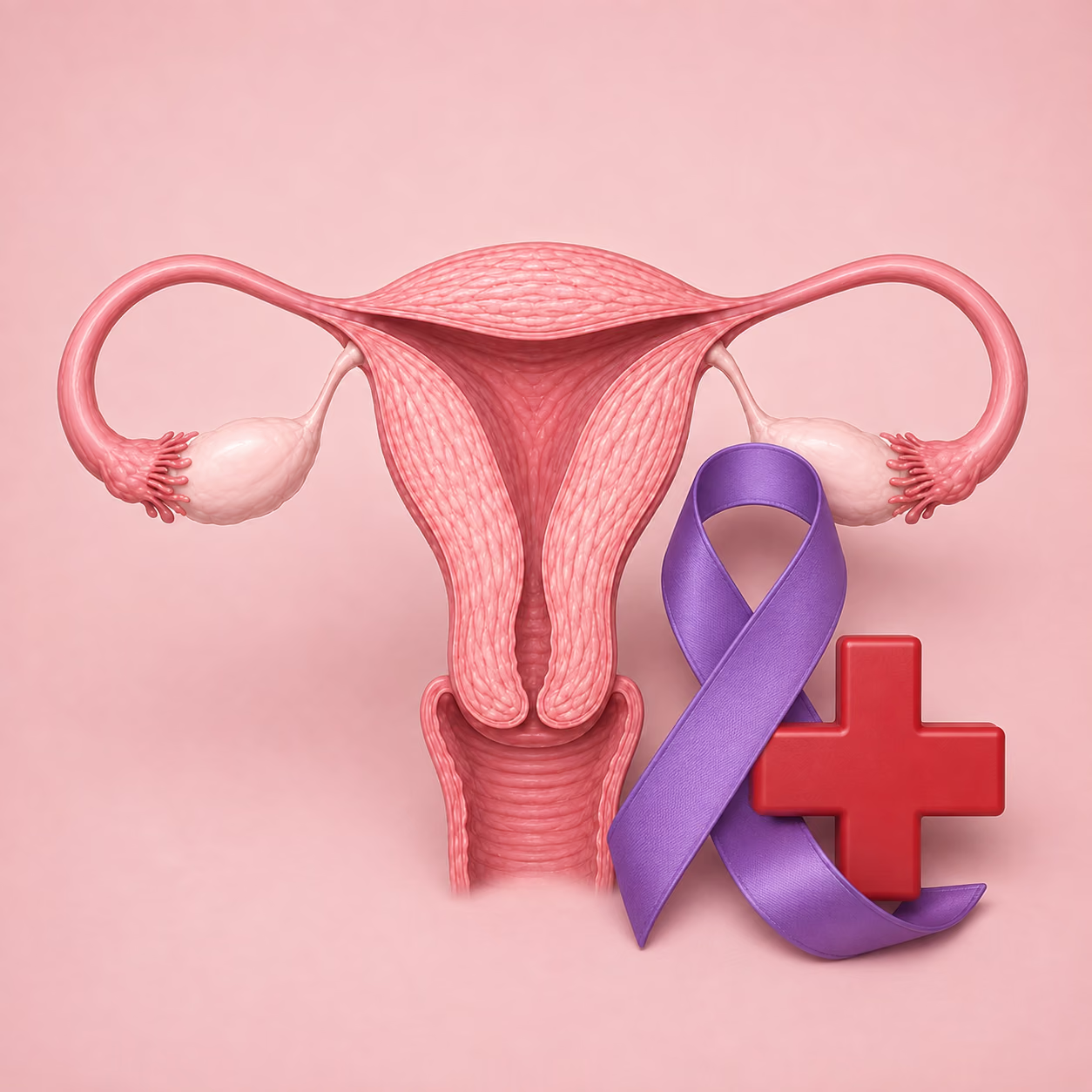
At Dr. Rama Sofat Hospital, Ludhiana, we are dedicated to safeguarding women’s health through early detection, fertility-preserving surgery, and compassionate care. Our Gynaecological Cancer Clinic offers an integrated approach — combining screening, diagnosis, minimally invasive laparoscopic surgery, chemotherapy, targeted therapy, and post-treatment rehabilitation — all under one roof.
Pap smear, HPV testing, ultrasound, colposcopy, tumour markers, and genetic risk assessment.
Biopsy-guided confirmation with imaging and multidisciplinary planning for each cancer type.
Minimally invasive laparoscopic surgery, fertility-preserving options, chemotherapy, and targeted therapy.
Rehabilitation, long-term surveillance, and counselling to support quality of life after treatment.
Early symptoms often include abnormal vaginal bleeding, unusual discharge, pelvic or abdominal pain, bloating, urinary changes, or unexplained weight loss. Since early stages may show no visible symptoms, regular screening (Pap smear, pelvic ultrasound, HPV testing) is vital for timely detection.
Diagnosis usually involves a combination of pelvic examination, Pap smear and HPV testing (for cervical cancer), transvaginal or pelvic ultrasound, CT/MRI or PET scan for staging, and biopsy or colposcopy-guided sampling to confirm malignancy.
Treatment depends on the type and stage of cancer. Common approaches include laparoscopic or open surgery, chemotherapy or targeted therapy, radiation therapy, hormone therapy, and fertility-preserving surgeries for young women wishing to conceive in the future.
Yes, in many cases fertility can be preserved. Examples include laparoscopic trachelectomy for early cervical cancer, removal of only the affected ovary with egg or embryo freezing for ovarian tumours, and hormonal therapy with monitoring for selected endometrial cancer patients. Our fertility-preserving cancer programme focuses on both cancer control and reproductive well-being.
Recovery depends on the type of surgery. Laparoscopic procedures typically need 1–2 weeks; open surgeries may need 4–6 weeks. Our enhanced recovery programme (ERAS) supports faster healing with minimal pain and a shorter hospital stay.
Regular follow-up visits monitor recovery and detect recurrence early. First review is usually 7–10 days after discharge, then every 3 months for the first year, followed by every 6–12 months. Follow-ups may include pelvic exams, imaging, and tumour marker tests such as CA-125, CEA, or AFP.
Preventive steps include HPV vaccination, regular Pap smears and pelvic check-ups, a healthy lifestyle with weight control and exercise, avoiding smoking, limiting alcohol, and prompt treatment of precancerous lesions such as CIN or endometrial hyperplasia.
Yes. Laparoscopic (keyhole) cancer surgery is safe and effective when performed by trained specialists. It typically offers smaller incisions, less pain and blood loss, shorter hospital stay, and faster recovery with excellent cosmetic results.
See a gynaecologist promptly for persistent pelvic pain, abnormal bleeding between periods or after menopause, foul-smelling discharge, abdominal bloating, or rapid weight loss. Early consultation can help detect precancerous conditions before they become serious.
Speak with our Gynaecological Cancer Clinic team at Dr. Rama Sofat Hospital, Ludhiana — for screening, diagnosis, or a second opinion.