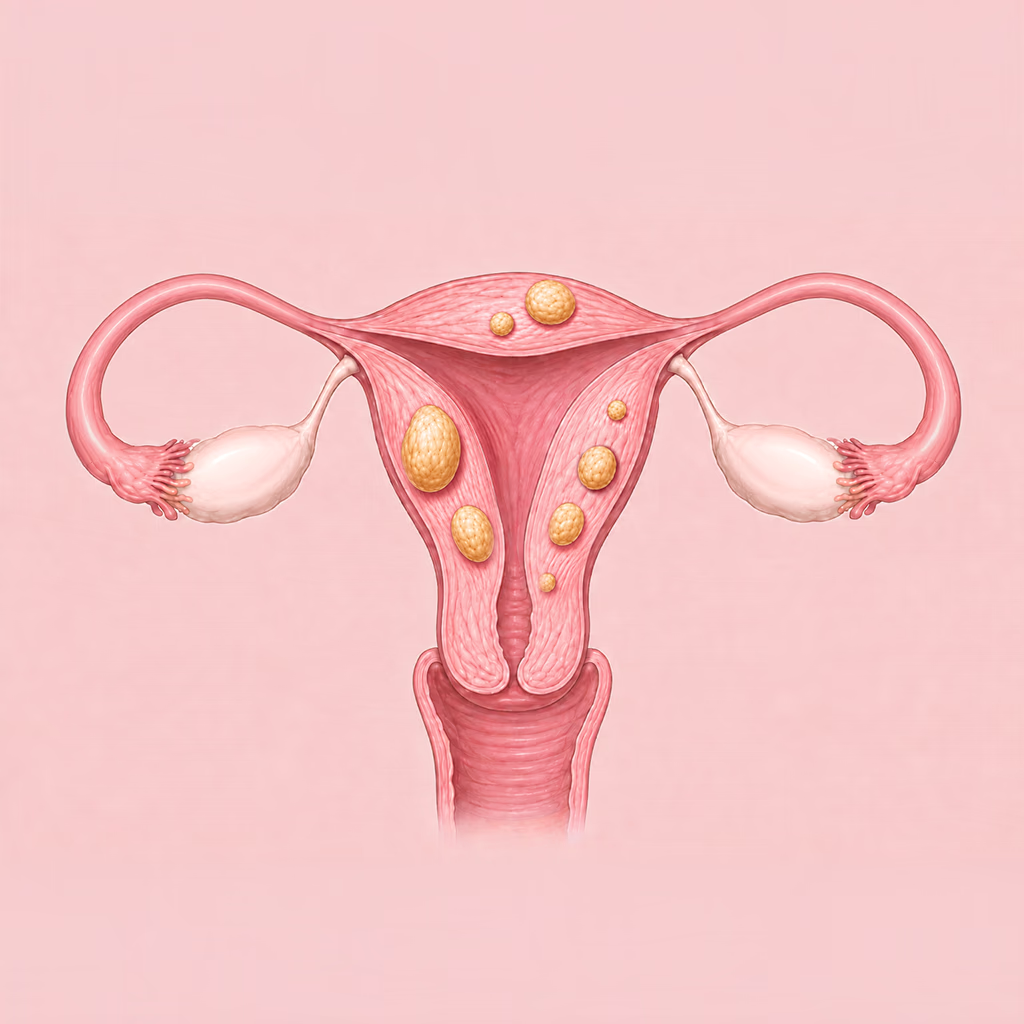
Intramural Fibroids
Grow within the muscular wall of the uterus (most common type).
Laparoscopic Uterine Surgeries · Ludhiana, Punjab
Preserving the uterus, restoring fertility — advanced minimally invasive fibroid removal using 4K HD laparoscopic systems for precise excision, minimal blood loss, faster recovery, and excellent cosmetic results.

Uterine fibroids are one of the most common causes of heavy menstrual bleeding, pelvic pain, and infertility in women of reproductive age. While fibroids are non-cancerous growths, their size and location can often affect a woman's comfort, confidence, and ability to conceive. At Dr Rama Sofat Hospital, Ludhiana, we specialise in Laparoscopic Myomectomy — a minimally invasive procedure designed to remove fibroids while preserving the uterus. This advanced technique allows our expert surgeons to precisely excise fibroids through small keyhole incisions using 4K HD high-definition laparoscopic systems, ensuring minimal blood loss, less pain, faster recovery, and excellent cosmetic results. Unlike traditional surgery, laparoscopic myomectomy not only restores the uterus to its natural shape and function but also optimises fertility outcomes for women planning future pregnancies.
Guided by decades of experience in fertility-preserving laparoscopic surgery, our team at Dr Rama Sofat Hospital combines world-class technology with compassionate, personalised care helping women live pain-free, regain hormonal balance, and achieve their dream of motherhood naturally.
Uterine fibroids are among the most common gynaecological conditions affecting women of reproductive age. It is estimated that 1 in every 3 women over the age of 30 develops fibroids at some point in her life. They are particularly prevalent among women aged 30-50 years, especially those with a family history of the condition.
1 in every 3 women over the age of 30 develops fibroids at some point in her life.
Fibroids are almost always benign (non-cancerous). Less than 1% of fibroids ever become cancerous. However, untreated fibroids can enlarge significantly, leading to severe menstrual bleeding, pelvic pain, anaemia, and fertility issues. This makes timely diagnosis and management essential to protect a woman's reproductive and overall health.
Fibroids are classified based on their location in the uterus:
Grow within the muscular wall of the uterus (most common type).
Project outward from the uterus and can become quite large.
Grow into the uterine cavity and are most likely to affect fertility and cause heavy bleeding.
Grow on thin stalks either inside or outside the uterus.
The exact cause of fibroids isn't fully understood, but several factors increase risk:
Many women have no symptoms, while others experience:
At Dr Rama Sofat Hospital, Ludhiana, fibroids are diagnosed using advanced imaging and fertility-focused evaluation:
A comprehensive diagnosis helps plan the best treatment approach, especially for women planning pregnancy.
If left untreated, fibroids can cause:
Managing fibroids early helps women maintain hormonal balance, fertility, and overall wellbeing.
Consult a gynaecologist in Ludhiana if you experience:
Timely evaluation can prevent complications and preserve fertility.
Treatment depends on the size, location, and symptoms of the fibroids, as well as the patient's fertility goals.
Hormonal therapy, oral contraceptives, or GnRH analogues to shrink fibroids temporarily.
Laparoscopic Myomectomy
Precise removal of fibroids through small incisions while preserving the uterus.
Laparoscopic Myomectomy is a minimally invasive surgical procedure used to remove uterine fibroids (non-cancerous growths in the uterus) while preserving the uterus. It is an excellent option for women who wish to retain their fertility and plan pregnancy in the future. Unlike traditional open surgery, laparoscopic myomectomy is performed through small keyhole incisions, offering faster recovery, minimal pain, and excellent cosmetic results.
Why is Laparoscopic Myomectomy Done?
How is the Procedure Performed?
Small Incisions
Four tiny incisions (5–10 mm) are made in the abdomen.
Insertion of Laparoscope
A thin camera (laparoscope) is inserted to visualize the uterus.
Fibroid Removal
Special instruments are used to carefully dissect and remove fibroids from the uterine wall.
Uterine Repair
The uterine muscle is sutured in multiple layers to restore normal shape and strength, which is crucial for future pregnancy.
Closure
The incisions are closed neatly, leaving minimal scarring.
Hysteroscopic Myomectomy
Removal of fibroids within the uterine cavity using a camera inserted through the cervix.
Laparoscopic Hysterectomy (for women not planning future pregnancies).
At Dr Rama Sofat Hospital, laparoscopic fibroid surgery is performed using 4K HD high-definition laparoscopic systems, ensuring precision, minimal blood loss, and quick recovery.
Fibroids can interfere with conception by distorting the uterine cavity or blocking fallopian tubes. Our laparoscopic myomectomy focuses on preserving uterine integrity, helping women conceive naturally or through IVF later. After surgery, patients typically experience higher pregnancy success rates and reduced miscarriage risk.
| Myth | Fact |
|---|---|
| Fibroids are cancerous | Over 99% are benign (non-cancerous). |
| Only older women get fibroids | Fibroids can occur even in women in their 20s and 30s. |
| Surgery always removes the uterus | Modern laparoscopic surgery preserves the uterus. |
| Fibroids always cause infertility | Many women with fibroids conceive successfully after treatment. |
| Fibroids will go away on their own | Some shrink after menopause, but symptomatic fibroids require management. |
Recurrence is possible, but maintaining a healthy lifestyle reduces the risk.
Most women resume routine activities within 7-10 days.
Yes. Laparoscopic myomectomy often improves fertility outcomes significantly.
Yes, but medical treatments usually offer temporary relief, surgery provides a definitive cure for large or symptomatic fibroids.
It's generally recommended to wait 3-6 months for optimal uterine healing.
If you're suffering from fibroids, heavy bleeding, or fertility issues, book your consultation with Dr Amit Sofat and Dr Ruchika Sofat at Dr Rama Sofat Hospital, Ludhiana.