
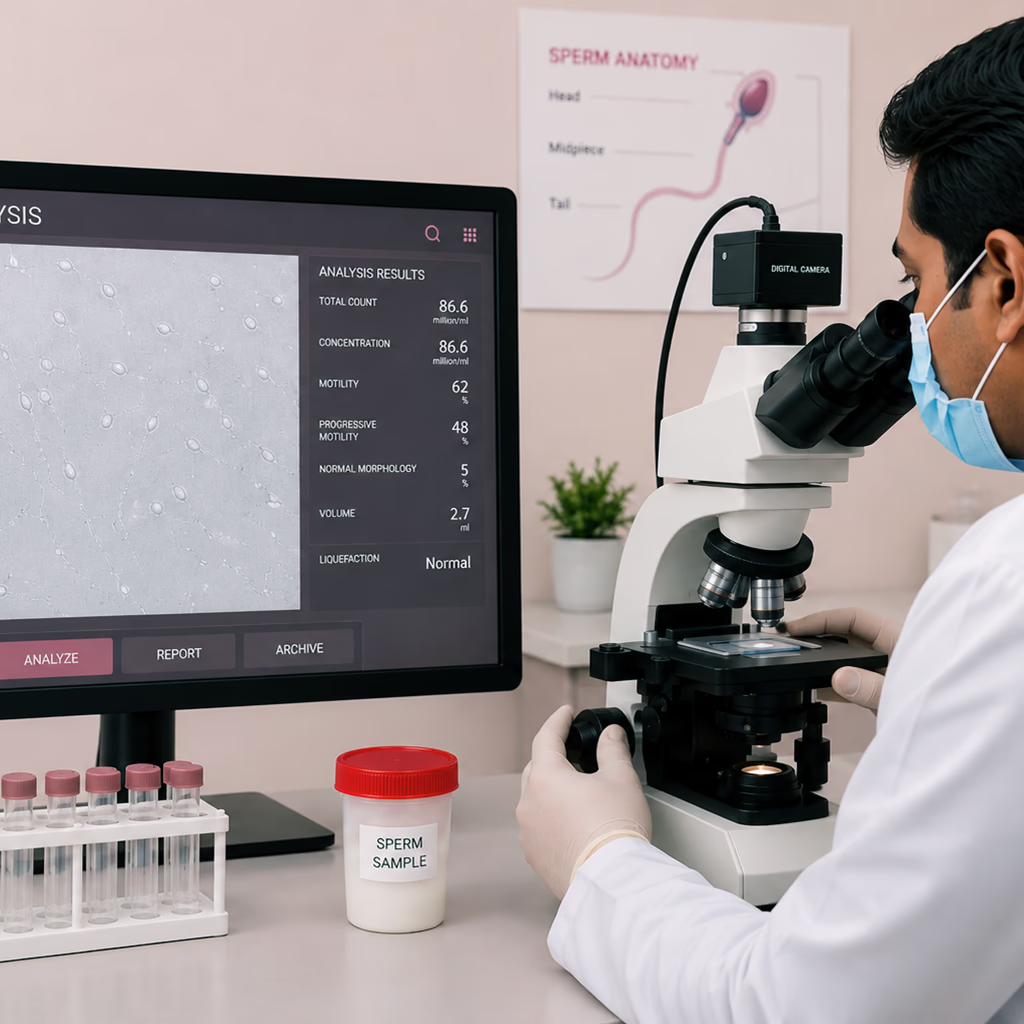
Male Fertility Diagnostics

Male Fertility Tests

Male factors contribute to nearly 30–40% of infertility cases. Testing the male partner is just as essential as evaluating the female partner.

At Dr. Rama Sofat Hospital, Ludhiana, we provide advanced and confidential male fertility tests to accurately detect the cause of infertility and guide effective treatment.

Diagnostic Investigations

01

Semen Analysis (Sperm Test)

The most basic and important test for assessing male fertility. It evaluates:

  • Sperm count (concentration)
  • Sperm motility (movement)
  • Sperm morphology (shape and structure)
  • Volume and pH of semen

Abnormal results (low count, poor motility, or abnormal forms) can indicate oligospermia, asthenospermia, or teratospermia.

02

Hormonal Evaluation

Hormone levels control sperm production. A simple blood test checks:

  • FSH (Follicle Stimulating Hormone): Stimulates sperm production.
  • LH (Luteinizing Hormone): Regulates testosterone release.
  • Testosterone: Main male reproductive hormone.
  • Prolactin and TSH: Identify hormonal imbalances that may affect fertility.
03

Scrotal / Testicular Ultrasound

A non-invasive ultrasound scan to detect:

  • Varicocele (enlarged veins in the scrotum)
  • Hydrocele or cysts
  • Testicular size or structure abnormalities
04

DNA Fragmentation Test (DFI)

This test assesses sperm DNA quality — a key factor in recurrent IVF failure or miscarriages.

High DNA fragmentation can cause poor fertilization, embryo quality, or pregnancy loss.

05

Sperm Culture and Infection Screening

To detect infections or inflammation affecting sperm health. Tests include:

  • Semen culture and sensitivity
  • STI screening (HIV, Hepatitis B/C, VDRL)
  • Urine routine and microscopy (if required)
06

Genetic Testing (If Indicated)

Used in severe or unexplained infertility cases like azoospermia (no sperm) or very low counts.

  • Karyotyping — checks for chromosomal abnormalities
  • Y-chromosome microdeletion test — detects missing genes responsible for sperm production
07

Testicular Biopsy

A minor surgical test performed if there is no sperm in the semen (azoospermia). It helps determine whether sperm production is happening inside the testes and can guide procedures like TESA / TESE.

Frequently Asked Questions

Is infertility always permanent?
Not at all. With modern fertility treatments, most couples can achieve pregnancy once the cause is identified and treated.
When should the male partner get tested?
Early. Male factors contribute to a large share of infertility cases, and a semen analysis is a quick, informative first step.
Does one abnormal semen report mean infertility?
Not necessarily. Results can vary due to illness, stress, or lifestyle factors. Your specialist may advise repeating the test and correlating it with history and examination.
How should I prepare for a semen analysis?
Typically, 2–5 days of abstinence is advised before giving the sample. Avoid fever/illness if possible, and follow the lab’s instructions for collection and transport.
Can lifestyle changes improve sperm parameters?
Yes. Quitting smoking, reducing alcohol, improving sleep, managing stress, exercise, and correcting deficiencies can improve sperm health in many men.

Have concerns about your fertility? Start here.

Our team runs a thorough evaluation — from semen analysis to advanced hormonal and genetic testing — and gives you clear answers and a plan. Led by Dr. Rama Sofat, Dr. Amit Sofat and Dr. Ruchika Sofat — Dr. Rama Sofat Hospital, Ludhiana.